

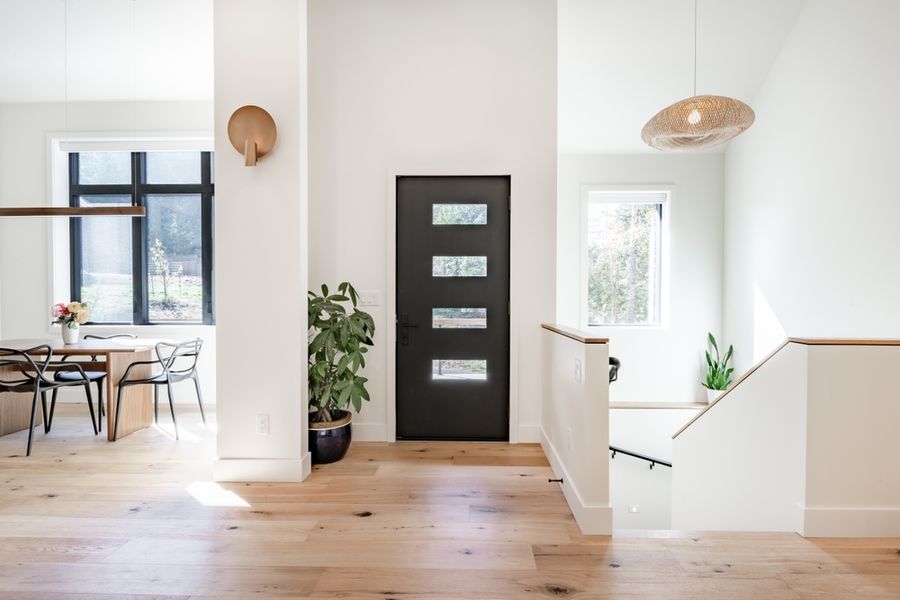
Minimal living focuses on clarity, intention, and reducing excess that quietly drains time and energy. Rather than strict rules or empty spaces, a minimalist lifestyle supports what truly adds value while letting go of distractions. It encourages thoughtful choices around possessions, commitments, and daily habits. By simplifying surroundings and routines, minimal living creates room for calm, focus, and flexibility. The result is not less joy, but more space for what genuinely matters.
Redefining What Minimalism Actually Means
Minimalism is often misunderstood as extreme decluttering or owning very little, but its core purpose is far more practical. A minimalist lifestyle centers on alignment between values and daily choices. It invites reflection on what supports well-being and what creates unnecessary stress. Possessions, schedules, and habits are evaluated based on usefulness and meaning rather than obligation.
This approach allows flexibility across different lifestyles. Minimalism looks different for a family than for a solo apartment dweller, yet the principle remains the same. Reducing excess creates breathing room, making everyday life feel lighter and more intentional. By shifting focus away from accumulation, minimal living supports clarity, contentment, and long-term sustainability.
Simplifying Your Physical Space Without Overwhelm
A calm environment supports a calm mind, which is why physical spaces often become the starting point for minimal living. Simplification works best when done gradually rather than all at once. Removing items that no longer serve a purpose creates visual clarity and improves functionality without creating stress.
Organizing belongings by category instead of location helps reveal patterns of overuse and neglect. Items that consistently go untouched may no longer fit current needs. Keeping surfaces clear and storage intentional reduces daily friction. Over time, a simplified space becomes easier to maintain, reinforcing habits that support minimal living naturally rather than through constant effort.
Being More Intentional With What You Bring In
Minimal living is just as much about mindful acquisition as it is about letting go. Thoughtful purchasing reduces clutter before it enters the home. Pausing before buying allows time to consider usefulness, longevity, and compatibility with existing items.
Choosing quality over quantity often leads to fewer replacements and greater satisfaction. This mindset extends beyond physical items to digital purchases, subscriptions, and commitments. Intentional intake supports clarity and prevents accumulation driven by impulse. By becoming selective, minimal living transforms consumption into a conscious decision rather than a reflex.
Simplifying Daily Routines and Commitments
Busy schedules can create mental clutter just as quickly as a physical mess. Minimal living encourages review of daily routines to identify unnecessary obligations and energy drains. Streamlining commitments creates space for rest, focus, and meaningful engagement.
Establishing simple routines reduces decision fatigue and supports consistency. Morning and evening rituals benefit from simplicity, allowing transitions to feel calm rather than rushed. Saying no becomes easier when priorities are clear. Over time, simplified routines foster balance, helping daily life feel more manageable and aligned with personal values.
Creating Digital Minimalism for Mental Clarity
Digital environments often become overlooked sources of overwhelm. Notifications, emails, and social platforms compete for attention throughout the day. Digital minimalism focuses on reducing noise and reclaiming focus by curating online spaces intentionally.
Unsubscribing from unused mailing lists, organizing files, and limiting app usage reduces mental load. Establishing boundaries around screen time supports a deeper presence in offline life. By aligning digital habits with personal goals, minimal living extends beyond physical space and supports sustained clarity and focus.
Letting Go of Perfection and Comparison
Minimal living thrives when expectations remain realistic. Striving for constant order or aesthetic perfection can undermine the benefits of simplification. A minimalist lifestyle supports ease rather than rigid standards, allowing spaces and routines to adapt naturally.
Comparison often interferes with contentment. Minimal living works best when tailored to individual needs rather than external ideals. Progress happens gradually, with adjustments made over time. Embracing flexibility allows minimalism to feel supportive rather than restrictive, encouraging long-term balance and satisfaction.
Choosing Less to Make Room for More
Living with less creates space for clarity, presence, and intention. Minimal living is not about deprivation, but about making deliberate choices that support well-being. Over time, simplified spaces and routines reduce stress and free up energy for meaningful pursuits.
As habits shift, minimal living becomes intuitive rather than effortful. Decisions feel clearer, environments calmer, and daily life more aligned. By choosing simplicity, individuals create room for growth, connection, and ease, allowing life to feel fuller without being crowded.