

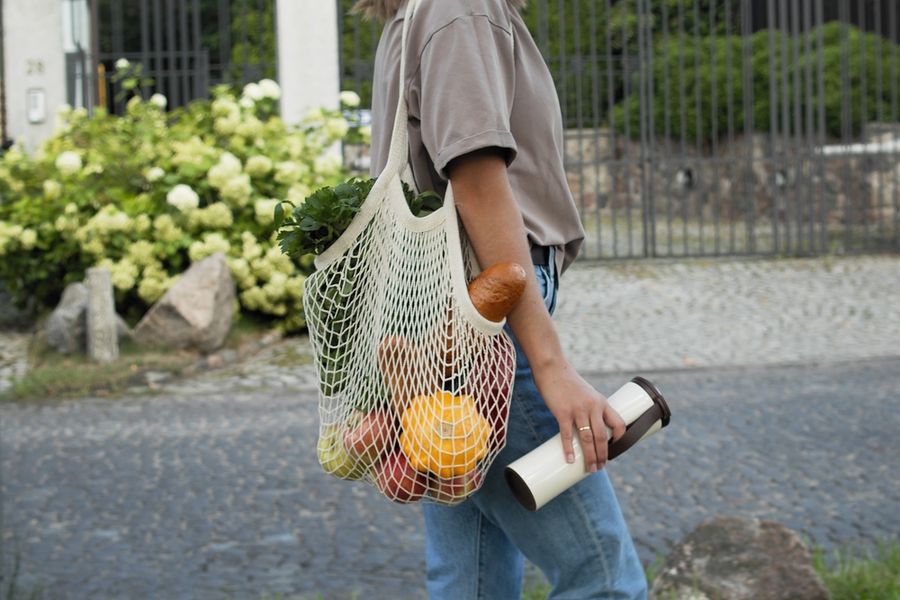
Living more sustainably often comes with the misconception that it costs more. In reality, many eco-friendly choices reduce everyday expenses while supporting healthier habits and a lighter environmental footprint. Small, intentional swaps replace disposable routines with reusable solutions that last longer and perform better. Over time, savings accumulate quietly, proving that sustainability and affordability can work together. Choosing products and habits built for longevity turns everyday living into a more efficient and cost-conscious experience.
Switching to Reusable Water Bottles and Home Filtration
Single-use bottled water adds up quickly, both financially and environmentally . A durable reusable water bottle paired with a reliable filtration system offers a long-term alternative that improves water quality while reducing waste. Faucet filters or pitcher systems like Brita provide affordable access to clean-tasting water without constant repurchasing.
Over time, filtration systems significantly reduce spending on bottled beverages. Convenience also improves, as clean water remains readily available at home and on the go. Stainless steel or insulated bottles maintain temperature and durability, encouraging consistent use. This simple swap supports hydration habits while lowering recurring costs associated with disposable packaging.
Replacing Disposable Kitchen Items With Reusables
Disposable kitchen products often create hidden expenses through frequent replacement. Reusable snack bags , silicone storage containers, and washable cloths eliminate the need for constant purchases of plastic wrap and single-use bags. Designed for durability, reusable options perform better and last longer.
Cleaning reusable items becomes part of routine maintenance rather than a recurring expense. Over time, savings grow as fewer disposables are needed. Storage also improves, reducing clutter and improving organization. This shift supports sustainability while streamlining daily routines and reducing reliance on products designed for short-term use.
Upgrading to Energy-Efficient LED Lighting
Lighting plays a significant role in household energy consumption. LED light bulbs use substantially less electricity than traditional incandescent options while lasting much longer. Though the upfront cost may appear higher, long-term savings quickly outweigh initial investment.
Reduced energy use lowers monthly utility bills while decreasing the frequency of replacements. LEDs also produce less heat, supporting more efficient temperature control within the home. Available in various tones and brightness levels, modern LED bulbs offer flexibility without sacrificing comfort. Energy-efficient lighting provides an easy upgrade with measurable financial benefits.
Choosing a Library Card Over Buying Books
Books provide enjoyment, education, and relaxation, but frequent purchases can become costly. A library card offers free access to an extensive collection of physical books, e-books, audiobooks, and digital resources. This allows readers to explore new genres without financial commitment.
Libraries also support community engagement through events, workshops, and learning tools. Borrowing reduces clutter while encouraging mindful consumption. For avid readers, the savings add up quickly over time. Utilizing local libraries supports sustainability by extending the life cycle of shared resources while preserving access to knowledge and entertainment.
Reducing Waste With Long-Lasting Household Products
Household items designed for longevity offer financial and environmental advantages. Rechargeable batteries replace single-use versions, reducing ongoing expenses. Durable cleaning tools, such as refillable spray bottles and concentrated cleaning solutions, minimize waste and replacement costs.
High-quality materials often perform better and require fewer replacements. Investing in long-lasting alternatives shifts spending from frequent small purchases to fewer, more intentional ones. Over time, households experience lower maintenance costs while reducing waste generation. Longevity-focused products support sustainable living without sacrificing effectiveness or convenience.
Making Sustainable Choices in Everyday Transportation
Transportation habits influence both expenses and environmental impact. Walking, cycling, or using public transit when possible reduces fuel costs and vehicle wear. For drivers, maintaining proper tire pressure and combining errands improves fuel efficiency.
Carpooling and remote work options also reduce transportation expenses over time. Small adjustments in daily movement create cumulative savings while supporting healthier routines. Sustainable transportation choices do not require drastic changes, but mindful planning. Over time, reduced fuel and maintenance costs reflect the financial benefits of eco-conscious mobility.
Saving More by Choosing Sustainability First
Eco-friendly swaps succeed when they align with daily habits rather than complicate them. Small changes build momentum, creating savings that grow gradually. Over time, sustainable living becomes intuitive rather than restrictive.
Choosing products and practices designed for longevity supports both budgets and well-being. Financial benefits reinforce consistency, making eco-conscious decisions easier to maintain. Sustainability becomes less about sacrifice and more about smarter living, proving that thoughtful choices create lasting value for both households and the planet.